Self-guided plan — no booking, no guide
Times include travel. Be back at the terminal three hours before an international departure. Everything here is reachable by metro; tap any Visa / Mastercard / Amex / JCB / UnionPay card at the gate.
Information checked on —. Rules and timetables change — verify anything time-critical with the NIA hotline 12367 (24/7, English). Emergency: police 110 · ambulance 120 · consular protection 12308.
Five plans, from six hours to the full ten days
Each one assumes you start and finish at Shenzhen Bao'an Airport, and includes travel time. Be back at the terminal three hours before an international departure — two if you're already checked in and travelling light. Under six hours, stay in the terminal. Over ten days, you need a visa: the permit cannot be extended.
Don't plan from the tour cut-off. The "6 or 7 hours" you see quoted is only the minimum layover for joining a free guided tour — it is not how much time the policy gives you. The 240-hour visa-free transit allows ten full days. If you have a long weekend, use it. Compare the thresholds on the official channels page.
Old town and the bay
Both stops are in Nanshan, on the airport side of the city — you're never more than 40 minutes from your gate.
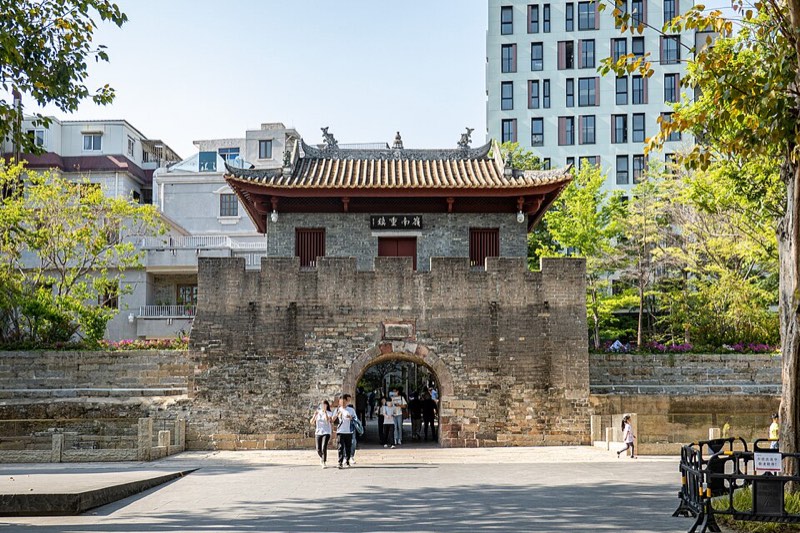
- 10:00
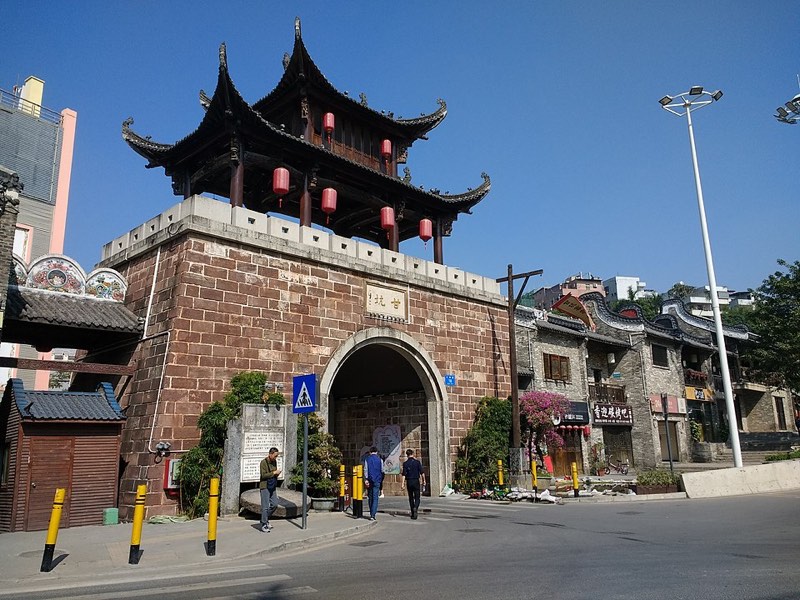
- Metro Line 11 from Airport, change to Line 12 — Nantou Ancient City. A 1,700-year-old walled town now full of cafés, design shops and a small museum. Free.
- 12:00
- Lunch inside the old town or at a nearby Nanshan mall — bilingual menus are the norm here.
- 13:30
- OCT Harbour and the Bay Glory Ferris Wheel on the waterfront. The wheel takes about 20 minutes and has air-conditioned cabins with a view across the estuary.
- 15:00
- Back on Line 11 to the airport. You have your hour of buffer.
Skyline, electronics, sunset
The classic "first time in Shenzhen" day. Ambitious but doable if you don't linger.
- 09:30
- Lianhuashan Park — free, and the hilltop square gives you the postcard view down the civic axis, plus the Deng Xiaoping statue. Fifteen minutes of climbing.
- 11:00
- Shenzhen Museum (Ancient Art or History & Folk Culture halls) two minutes away. Free, air-conditioned, and the fastest way to understand how a fishing county became this.
- 12:30
- Dim sum in Futian CBD. Many restaurants here have bilingual picture menus; order by pointing.
- 14:00
- Ping An Finance Center's observation deck — 116 floors up, the tallest vantage point in the city. Book ahead on Trip.com.
- 16:00
- Huaqiangbei: the electronics district. Even if you buy nothing, the scale of it is the story. Bargain, and get a fapiao receipt.
- 18:30
- Shenzhen Bay Park for sunset over the water and the bridge, then dinner at Coastal City or MixC World.
The full city day
Everything in the 12-hour plan, plus a proper morning on the water and an evening that isn't a mall.
- Day 1 AM
- Nantou Ancient City and OCT Harbour — start on the airport side so you can drop your bag later without backtracking.
- Day 1 PM
- Futian: Lianhuashan Park, the museum, the observation deck, then Huaqiangbei until it closes around 18:00–19:00.
- Day 1 PM
- Shenzhen Bay Park at golden hour. The 13 km coastal strip is the best free thing in the city.
- Day 2 AM
- Dim sum breakfast, then Sea World in Shekou for the Minghua ship, the fountain show and the bar street. Shekou is also where the Hong Kong ferries leave.
- Day 2 PM
- Talent Park in Nanshan for the tech-company skyline, then back to the airport on Line 11.
Add the coast and the old villages
Only worth it if you're genuinely using the ten days — but this is where Shenzhen stops feeling like a business park.
- Day 1
- The 24-hour city plan above.
- Day 2
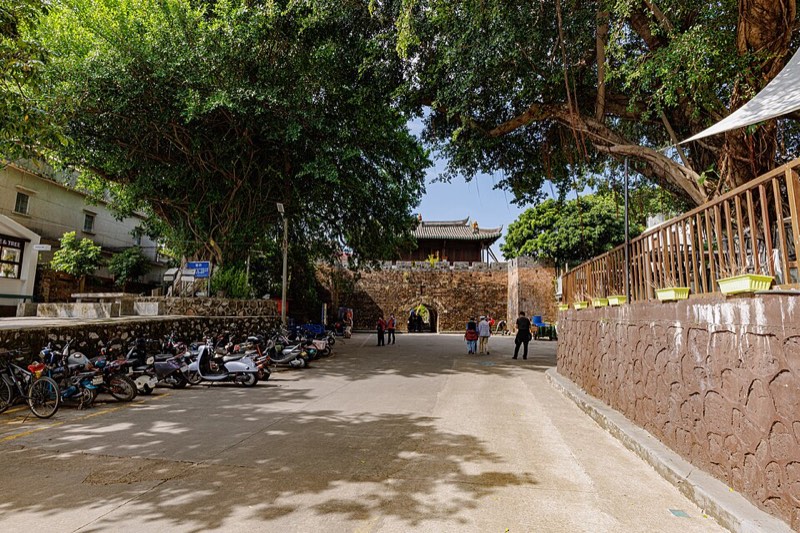
- Dapeng Peninsula: the 600-year-old Dapeng Fortress, Jiaochangwei beach village, and Yangmeikeng's coastal road. Rent a car or book a day tour — it's 90 minutes out and public transport is slow.
- Day 3
- Gankeng Hakka Town or Guanlan Printmaking Village in the morning; Window of the World, Happy Valley or OCT East in the afternoon; Wutong Mountain at dawn if you'd rather hike than queue.
- Optional
- A day trip to Guangzhou (30 min by high-speed rail), Hong Kong (15 min to West Kowloon) or Zhuhai / Macau (1 hour by ferry) — all within your permitted area if you entered through Guangdong.
Using the full 240 hours
Ten days is enough for Shenzhen, the Pearl River delta and a proper look at Guangdong — all inside the permitted area. This is the version most transit travellers never realise they're entitled to.
- Days 1–3
- Shenzhen city: Futian (Lianhuashan, Civic Center, museum, Ping An observation deck), Nanshan (Nantou Ancient City, Talent Park, Shenzhen Bay at sunset), Shekou (Sea World, the Minghua ship, the bar street).
- Days 4–5
- Dapeng Peninsula, staying one night: the 600-year-old Dapeng Fortress, Jiaochangwei beach village, Yangmeikeng coastal road, and a seafood dinner at Nan'ao. Rent a car or join a small group — public transport out there is slow.
- Days 6–7
- Guangzhou, 30 minutes by high-speed rail: Shamian Island, the Chen Clan Ancestral Hall, Guangdong Museum, Xiguan's old streets, and the reason to go — a proper Cantonese morning tea.
- Days 8–9
- Pick one: Foshan (Lingnan Tiandi, the Ancestral Temple, martial arts heritage), Zhuhai (the coastal road and Chimelong), or Chaozhou and Shantou in the east — Jieyang Chaoshan Airport is also an eligible entry port, so you can enter or exit there.
- Day 10
- Back to Shenzhen and out through any open port in Guangdong. Remember the clock started at 00:00 the day after you arrived — check your exact deadline with the calculator on the Visa page.
The Hong Kong and Macau rule — get this right
Hong Kong, Macau and Taiwan count as a "third region", so ending your trip by leaving Shenzhen for Hong Kong is completely valid under the 240-hour transit — that's the classic "fly in from Frankfurt, leave overland to Hong Kong" pattern. But going to Hong Kong mid-trip and expecting to come back is a different matter: leaving mainland China ends this stay, and re-entering requires you to qualify afresh. Don't assume you can pop across and return on the same permit.
Rule of thumb for layovers: you need 3 hours at the airport (check-in, immigration, security), plus 45 minutes each way on the metro, plus 30 minutes of slack. So a 6-hour layover gives you about 90 usable minutes in the city — worth doing only for something very close by. Below 6 hours, stay in the terminal and use the service centre, the showers and the food.
Didn't get a place on a free tour? You're the majority — these plans are the fallback. Capacity is tiny everywhere (Hong Kong runs 20 people per departure, most programmes are first-come first-served), so most people who want a tour don't get one. Everything above needs no booking, no group and no guide — just a metro fare and this page. See the free tour thresholds and booking entries if you'd still like to try.
Try for a free guided tour instead →
What the places actually look like
Real photos of the places on this page — most freely licensed from Wikimedia Commons, plus reader-contributed shots of Talent Park, the Civic Center, Wutong Mountain, Dongmen and the Dapeng coast. Pick on what catches your eye; none of this is sponsored.
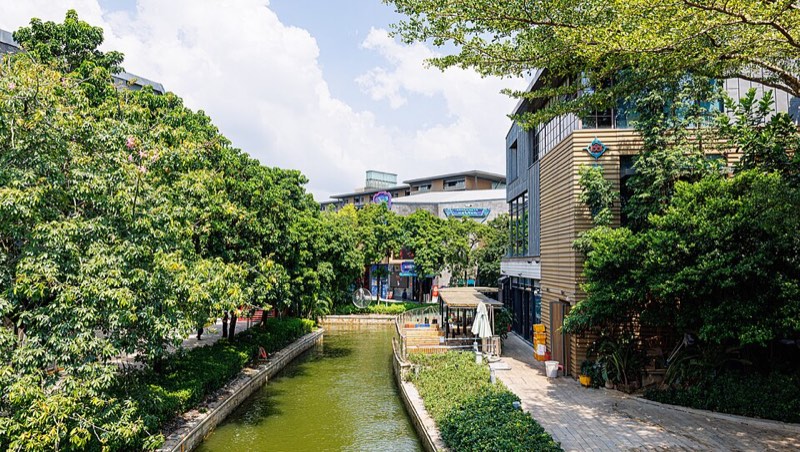
OCT HarbourWaterfront dining, plus the Bay Glory ferris wheel
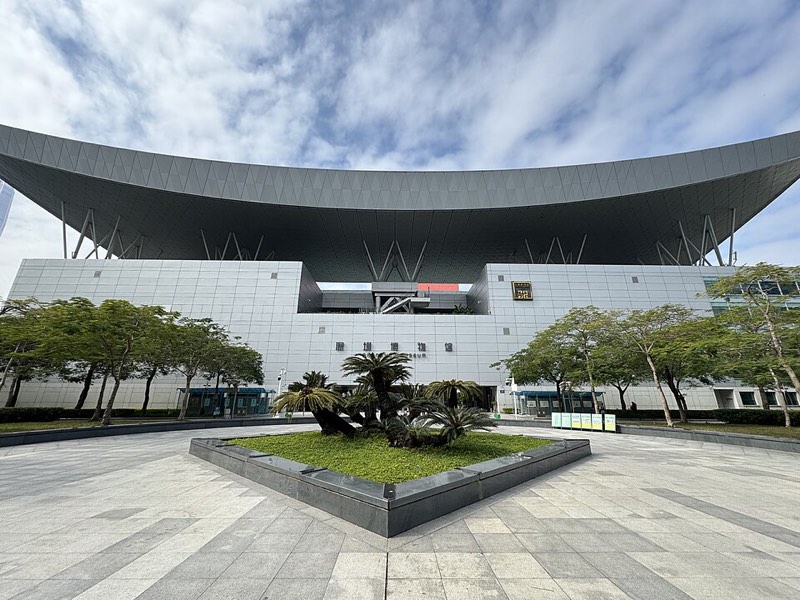
Shenzhen MuseumAncient Art + Modern History halls, both free
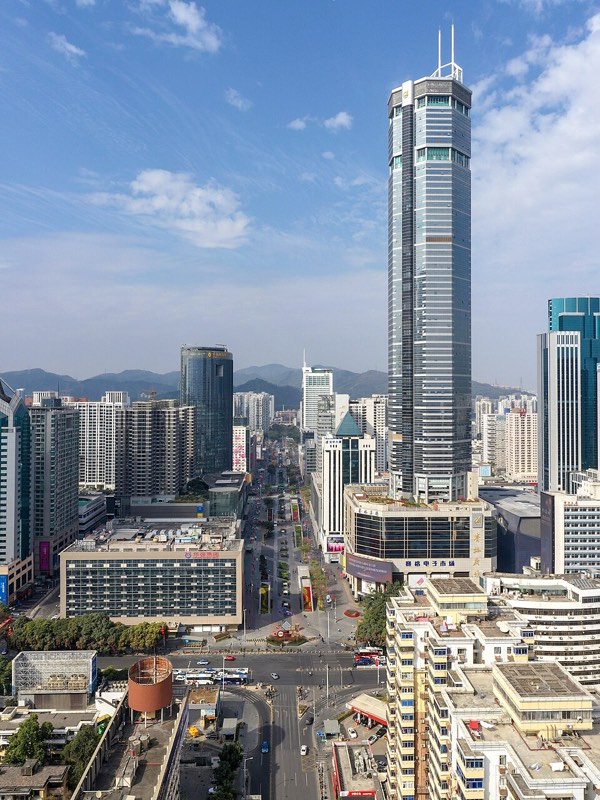
HuaqiangbeiThe world's largest electronics market
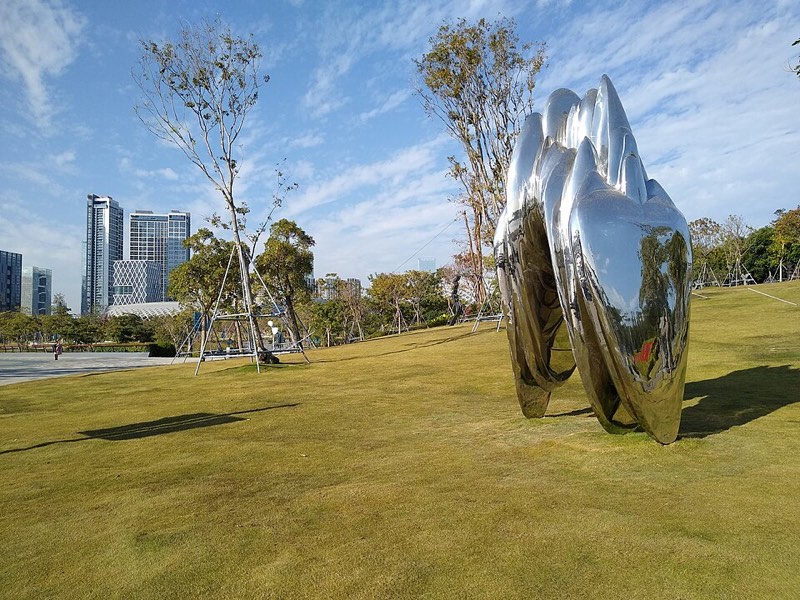
Shenzhen Bay Park13 km of waterfront — the city's free sunset spot
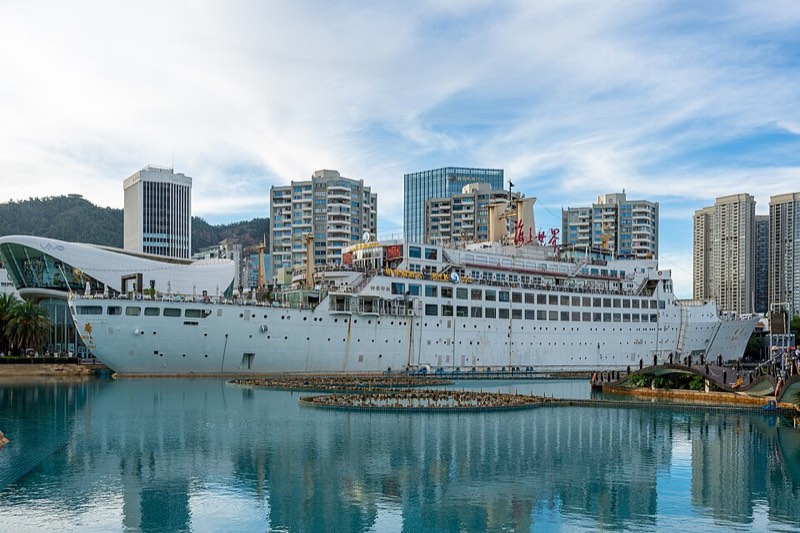
Sea World, ShekouThe Minghua ship, the fountain, the bar street
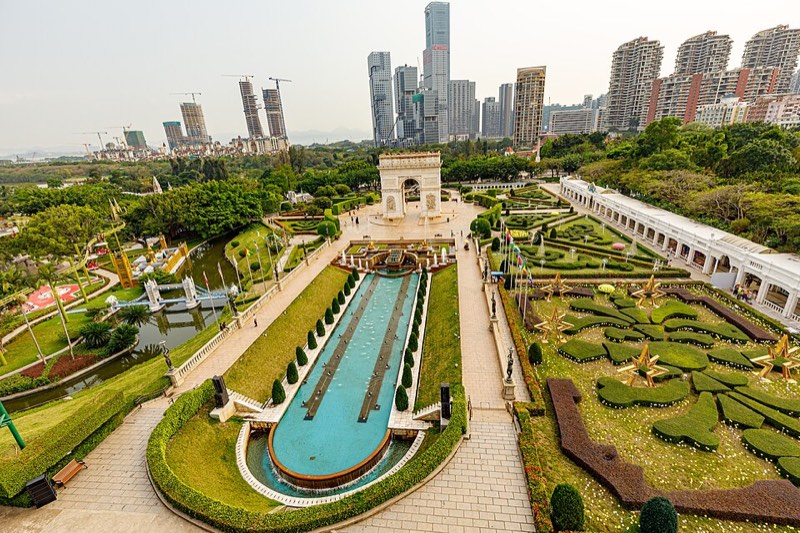
Window of the WorldGlobal landmarks in miniature, with the skyline behind
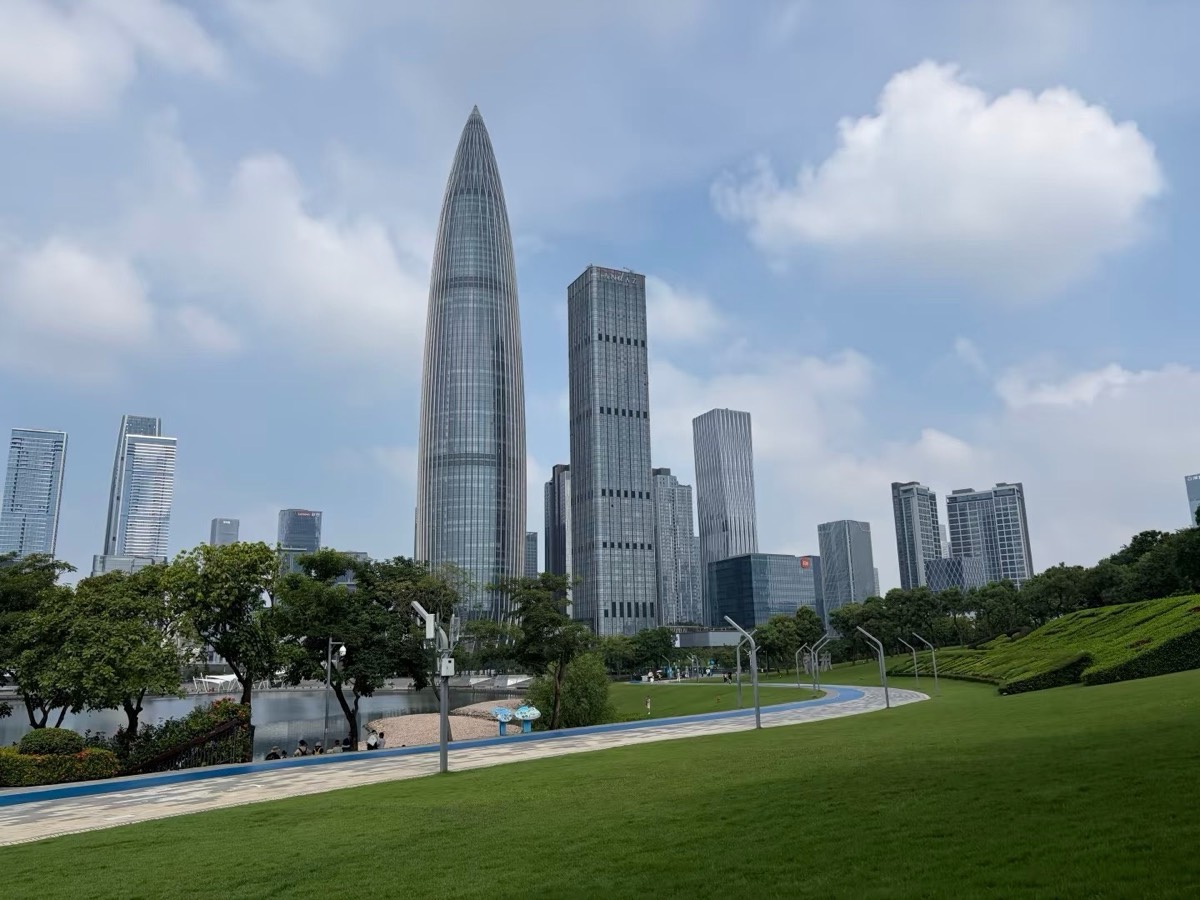
Talent ParkLawns, a blue running track and the Houhai tech skyline
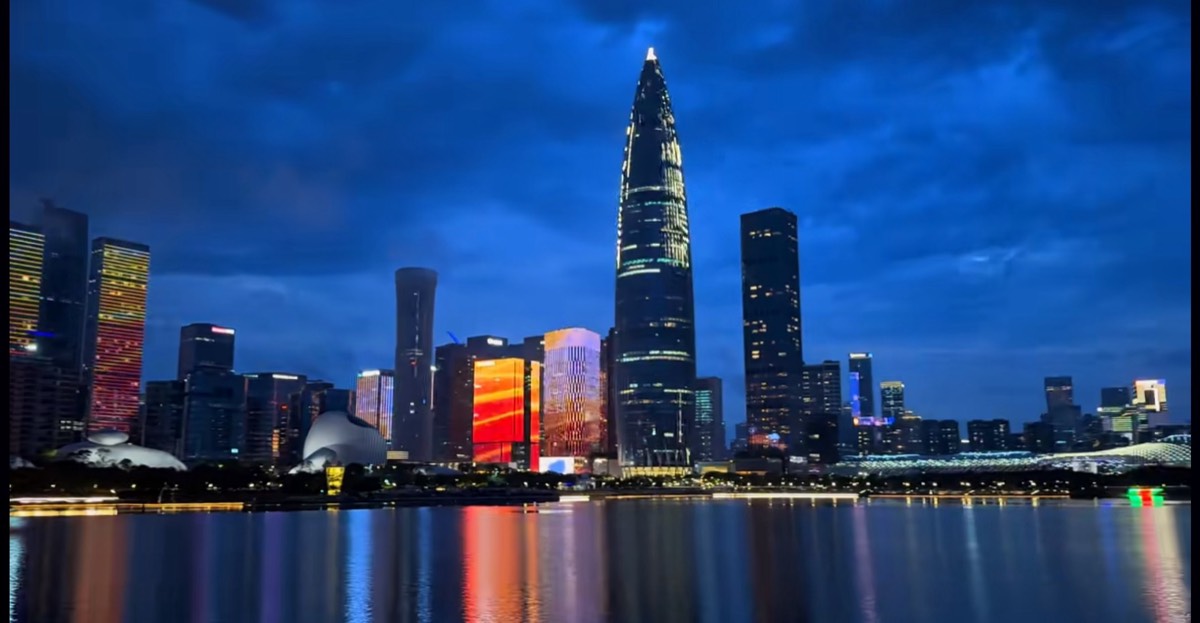
Talent Park after darkThe same skyline at night, mirrored in the lake
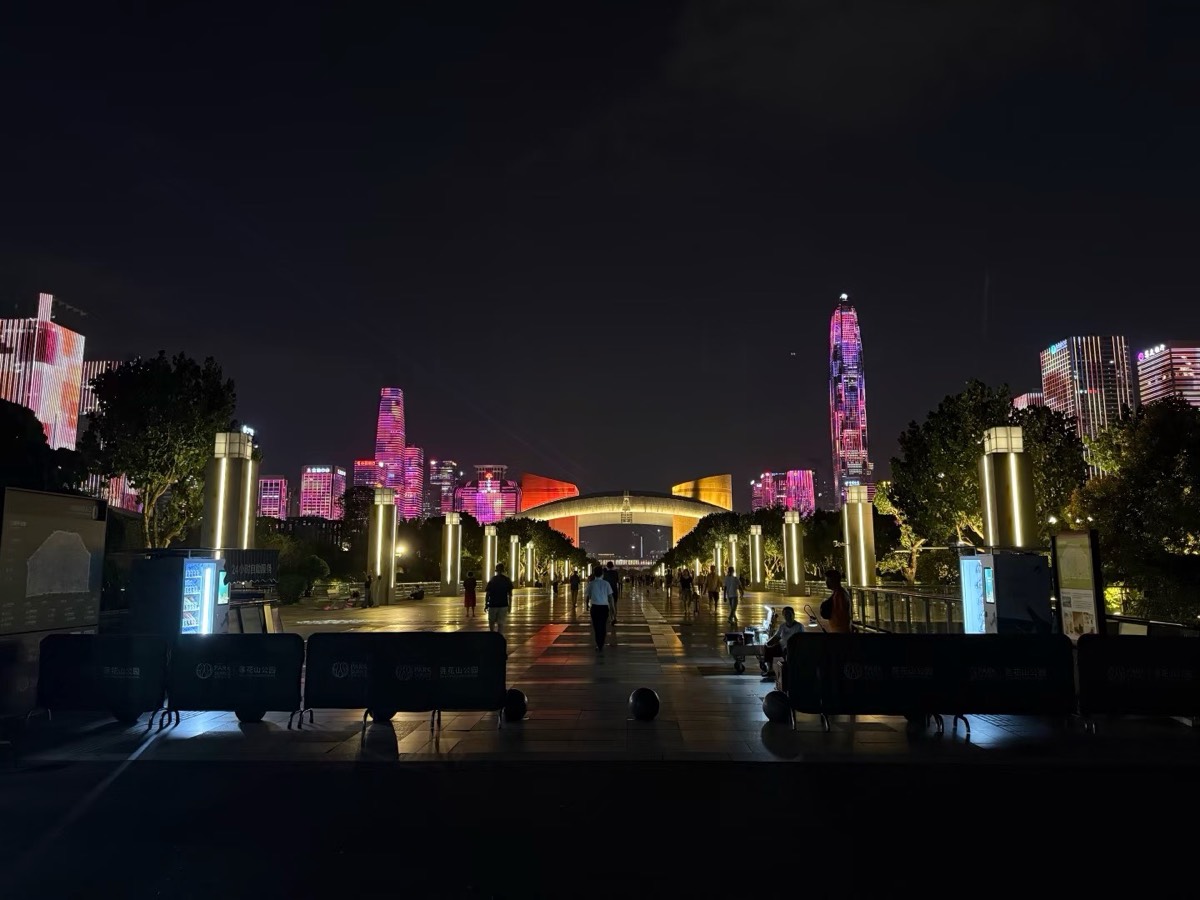
Civic Center plazaThe civic axis by night — Civic Center's roof, flagpole and the Ping An tower
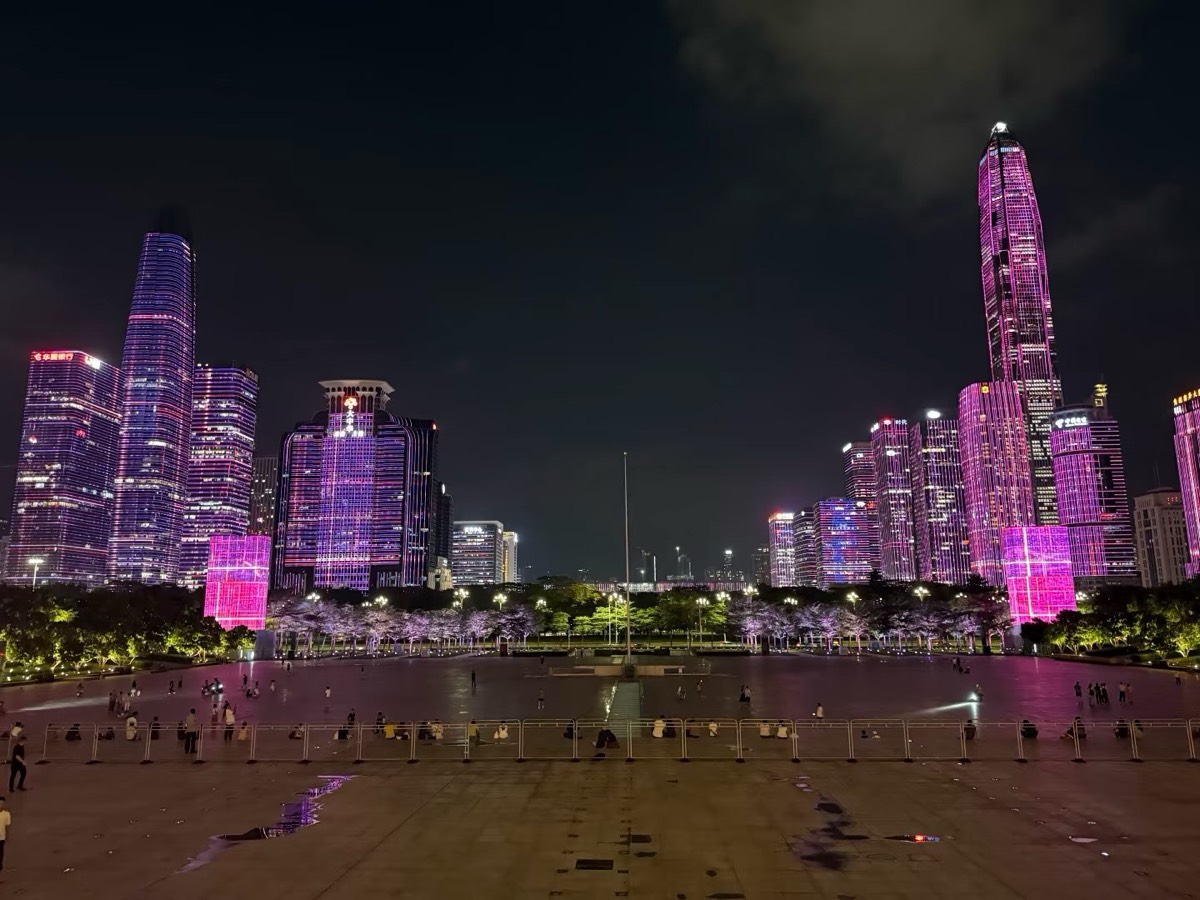
Civic Center light showThe nightly façade light show across the Futian CBD
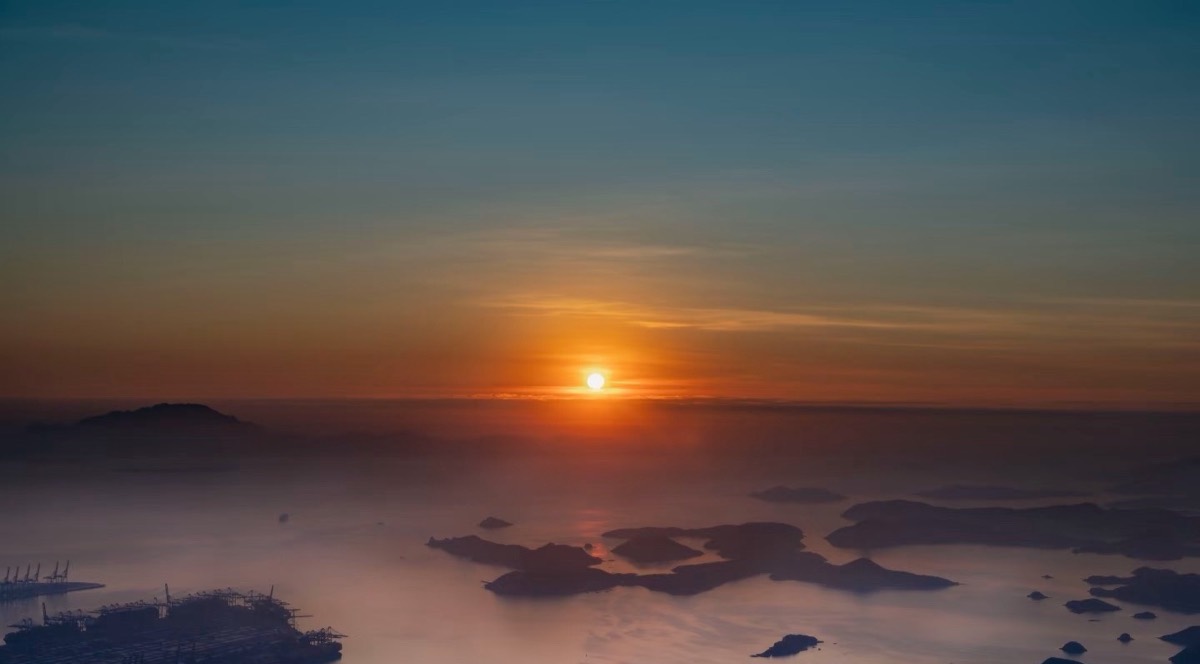
Wutong Mountain at dawnSunrise from the city's highest peak, over the bay and the port
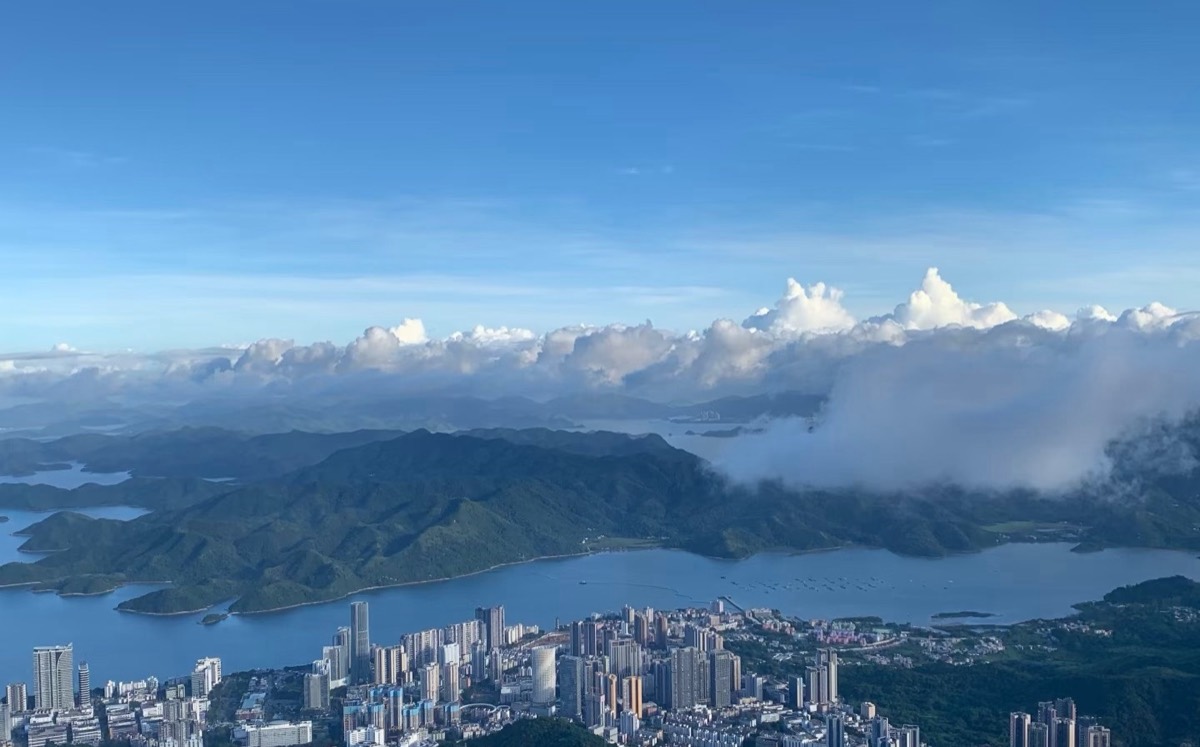
Wutong Mountain, looking downReservoir, hills and cloud banks below the ridge
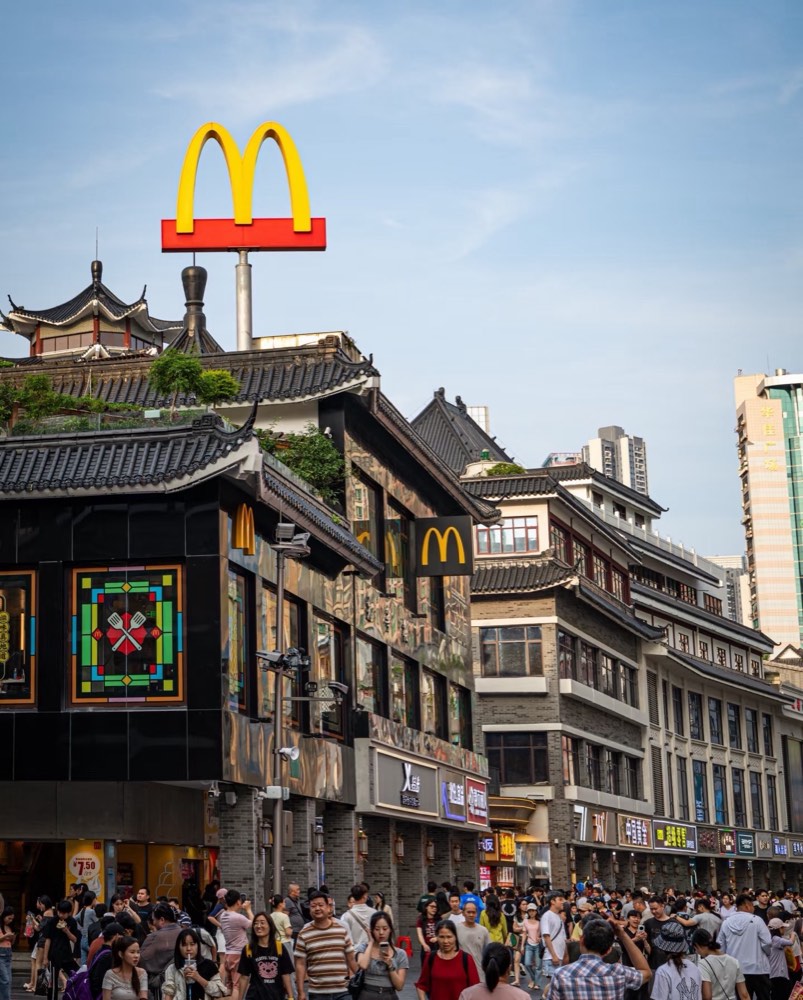
Dongmen Old StreetArcade shopfronts and the evening crowd
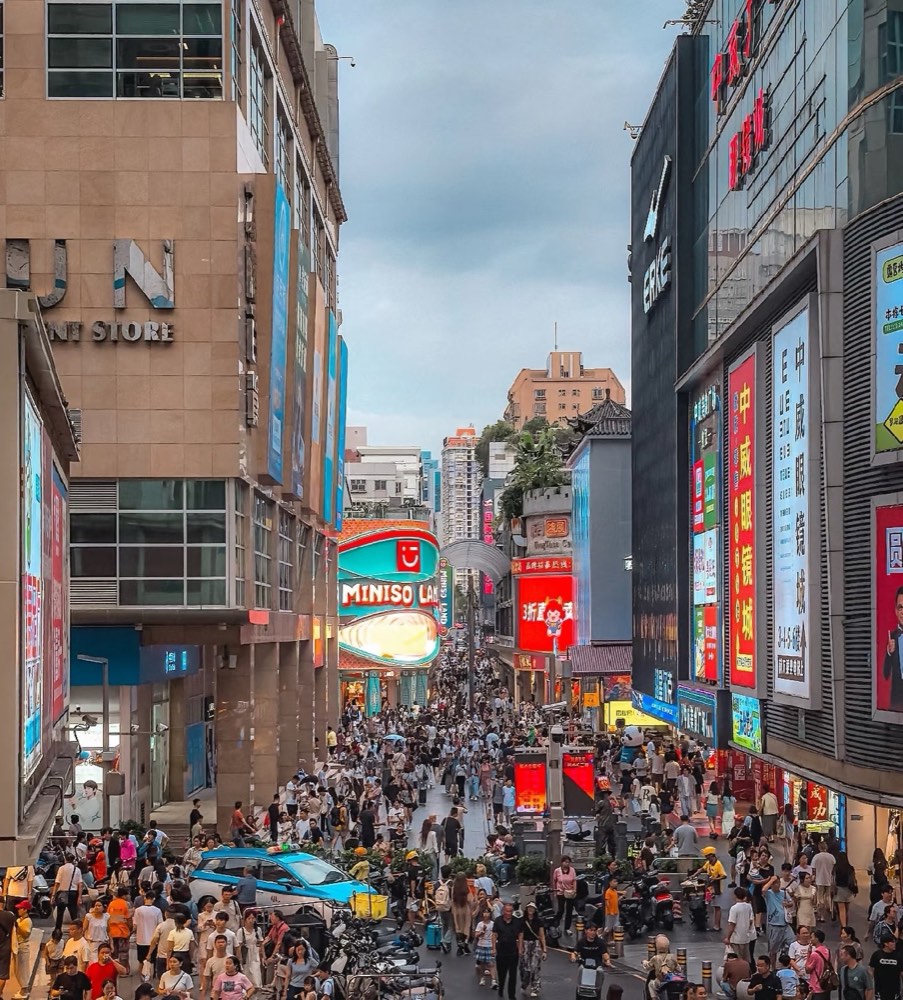
Dongmen, from aboveThe pedestrian streets where the city haggles
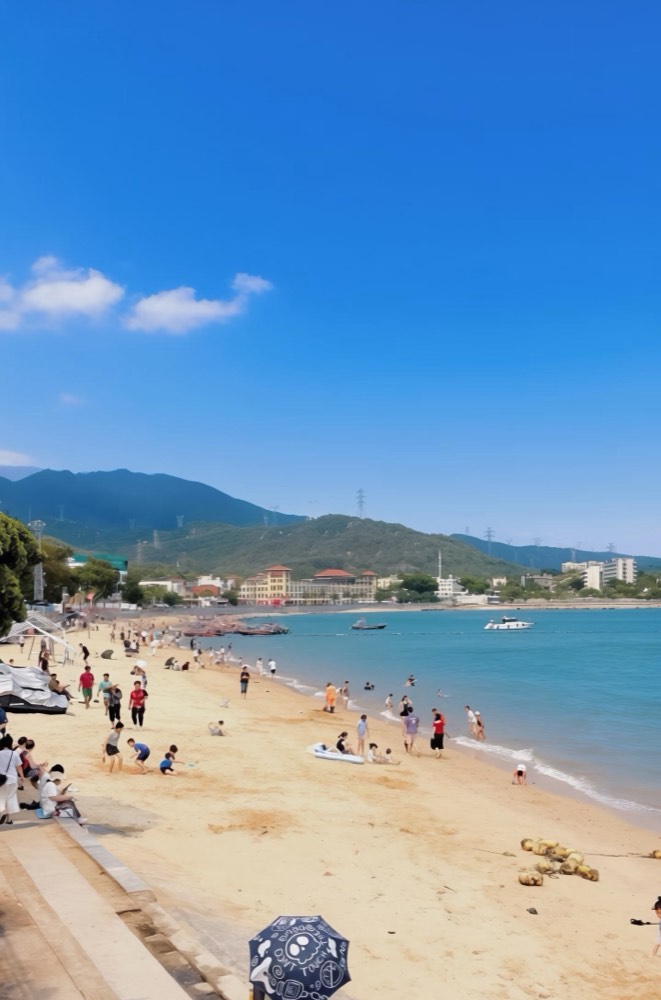
Jiaochangwei beachDapeng's seaside village — sand, cafés and guesthouses
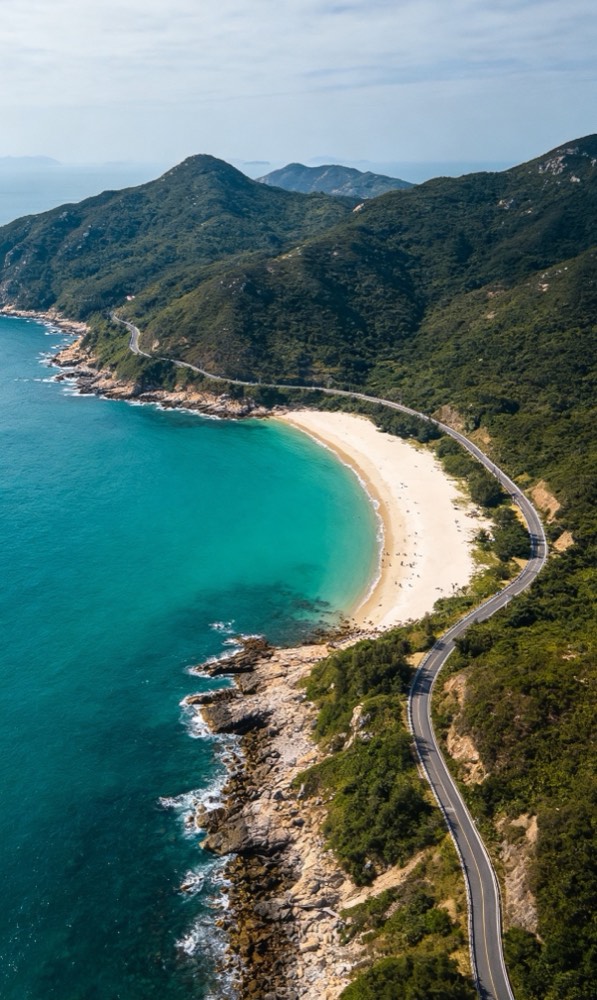
YangmeikengThe coastal road curling around the bay, seen from above
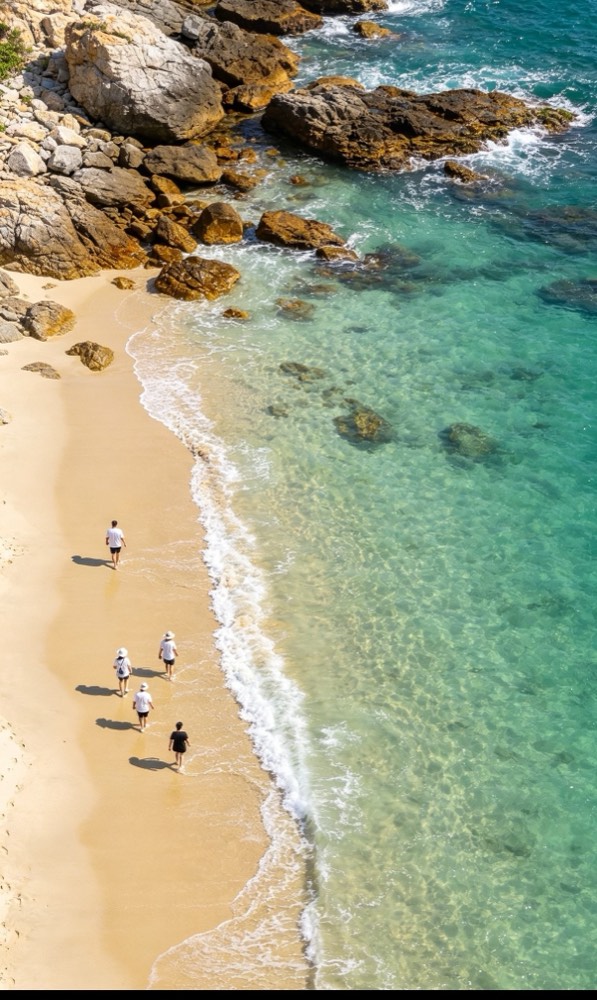
Yangmeikeng shallowsTurquoise water over rocks — the clearest swimming on the peninsula
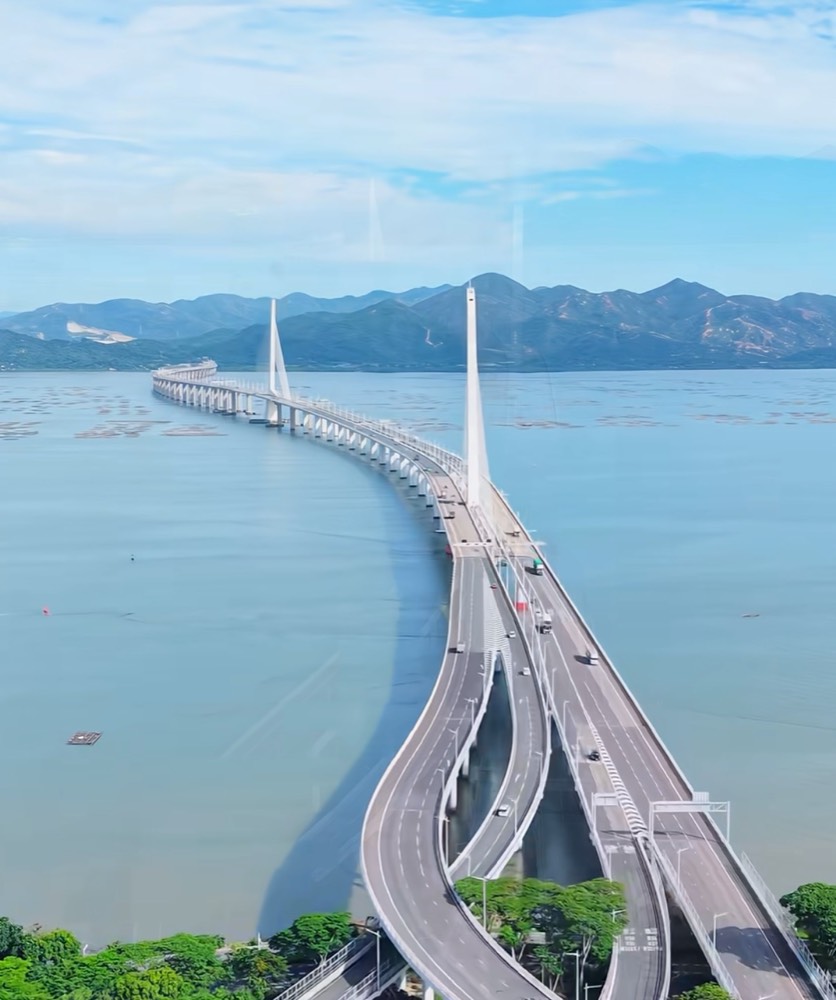
Shenzhen Bay BridgeThe crossing to Hong Kong, seen from above
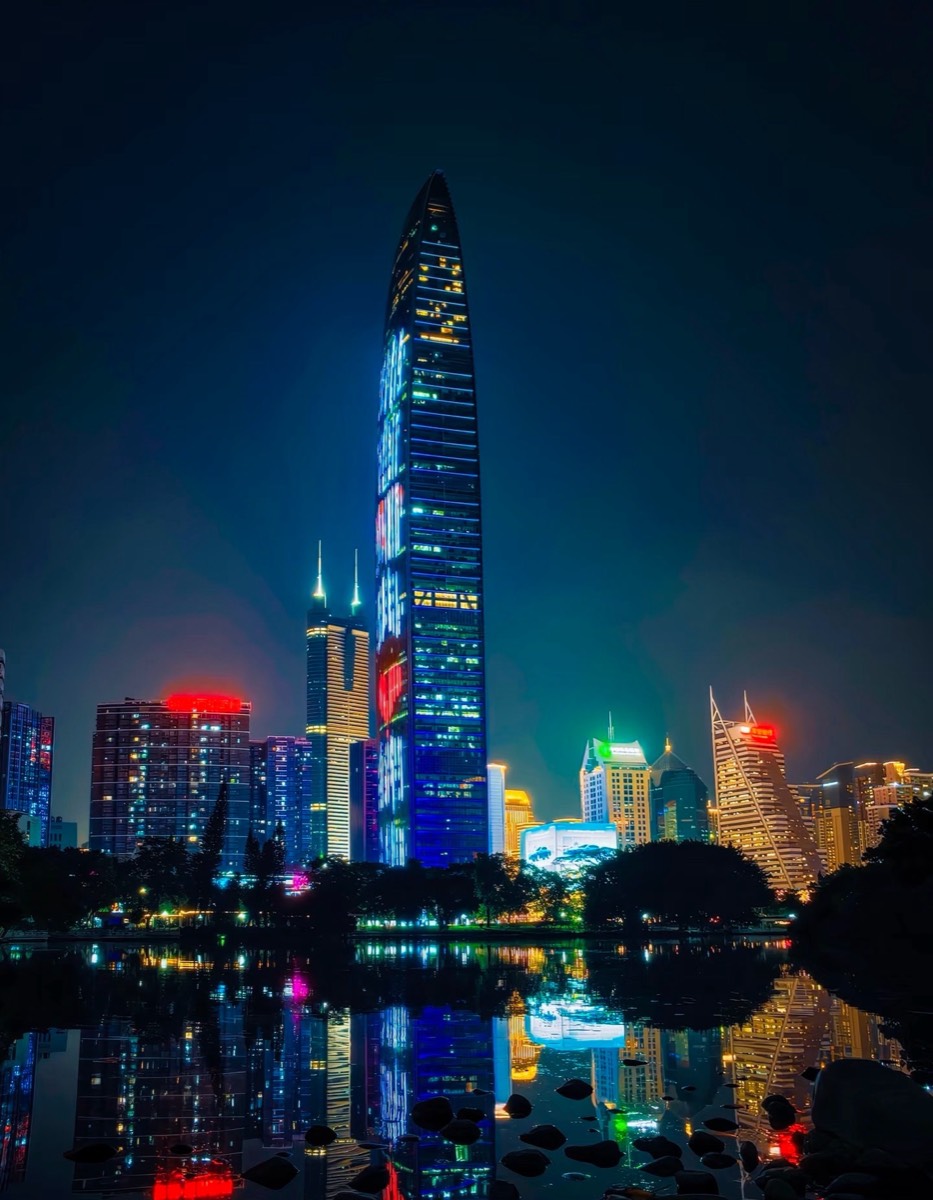
KK100, LuohuThe 100-storey tower mirrored in Lizhi Park's lake
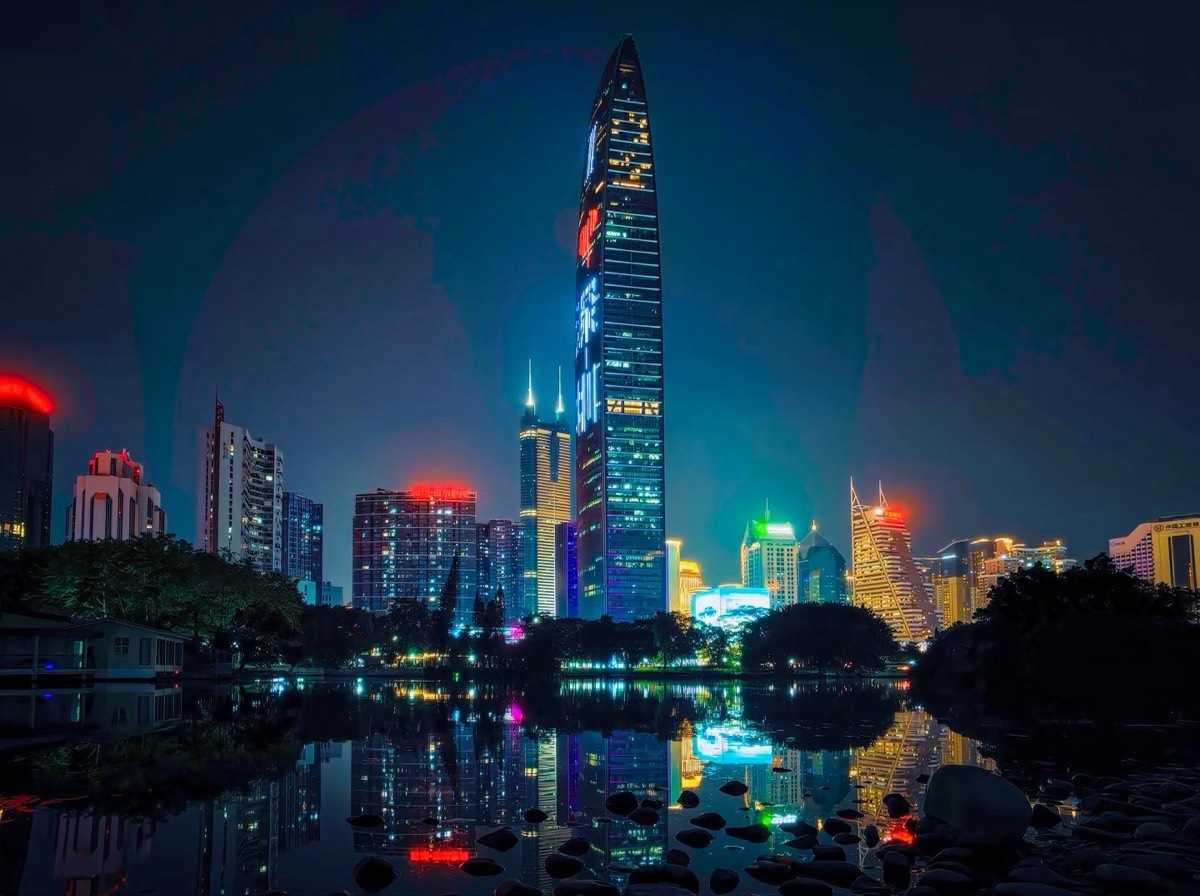
Luohu after darkThe Luohu skyline and its reflection, from Lizhi Park
Photo credits
All photos are freely licensed under CC BY-SA 4.0 or CC0 (from Wikimedia Commons), except the reader-contributed shots (Talent Park, Civic Center, Wutong Mountain, Dongmen, Jiaochangwei, Yangmeikeng, the Shenzhen Bay Bridge and Luohu), which are photos of public streets, beaches, bridges and buildings. Used here at no charge to help visitors decide — feel free to share, with the attribution below.
- Nantou Ancient City (south gate): Iswzo, Wikimedia Commons — CC BY-SA 4.0
- OCT Harbour: Dinkun Chen, Wikimedia Commons — CC BY-SA 4.0
- Lianhuashan Park: Ermell, Wikimedia Commons — CC BY-SA 4.0
- Shenzhen Museum: Nishino Asuka, Wikimedia Commons — CC BY-SA 4.0
- Ping An Finance Center: Dinkun Chen, Wikimedia Commons — CC BY-SA 4.0
- Huaqiangbei: Charlie fong, Wikimedia Commons — CC BY-SA 4.0
- Shenzhen Bay Park: Mx. Granger, Wikimedia Commons — CC0
- Sea World (Minghua ship): Iswzo, Wikimedia Commons — CC BY-SA 4.0
- Dapeng Fortress: Dinkun Chen, Wikimedia Commons — CC BY-SA 4.0
- Gankeng Hakka Town: Mx. Granger, Wikimedia Commons — CC0
- Window of the World: Dinkun Chen, Wikimedia Commons — CC BY-SA 4.0
- Talent Park (daytime): reader-contributed photo (public facility, reference use)
- Talent Park (night): reader-contributed photo (public facility, reference use)
- Civic Center plaza: reader-contributed photo (public facility, reference use)
- Civic Center light show: reader-contributed photo (public facility, reference use)
- Wutong Mountain (sunrise): reader-contributed photo (public facility, reference use)
- Wutong Mountain (daytime): reader-contributed photo (public facility, reference use)
- Dongmen Old Street (arcade): reader-contributed photo (public street, reference use)
- Dongmen Old Street (crowd): reader-contributed photo (public street, reference use)
- Jiaochangwei beach (Dapeng): reader-contributed photo (public beach, reference use)
- Yangmeikeng coast road: reader-contributed photo (public road, reference use)
- Yangmeikeng beach: reader-contributed photo (public beach, reference use)
- Shenzhen Bay Bridge: reader-contributed photo (public bridge, reference use)
- KK100 (Kingkey 100), Luohu: reader-contributed photo (public building, reference use)
- Luohu skyline from Lizhi Park: reader-contributed photo (public park, reference use)

.jpg)


.jpg)


.jpg)
Where to go, by theme
City landmarks
- Ping An Finance Center, Free Sky observation deck — 116 floors, the highest viewpoint in Shenzhen. Book ahead.
- Civic Center & Lianhuashan Park — the civic axis, free, and the best orientation view of the whole city.
- Bay Glory Ferris Wheel — 128 m over the estuary at OCT Harbour; go at dusk.
- KK100 and the Diwang tower — older observation decks, cheaper, shorter queues.
History and old Shenzhen
- Nantou Ancient City — 1,700 years of settlement inside a walled town that is now a live-work quarter. Free, and 30 minutes from the airport.
- Dapeng Fortress — a Ming-era garrison town on the peninsula; combine with the beaches.
- Gankeng Hakka Town — restored Hakka village with lantern streets, photogenic in the evening.
- Shenzhen Museum — two halls, both free, both air-conditioned, both underrated.
Coast and nature
- Shenzhen Bay Park — 13 km of waterfront cycle and walking path. Free, and the sunset is the point.
- Talent Park — the tech skyline reflected in a tidal lake; also part of the free tours.
- Wutong Mountain — the city's highest peak; start at 05:30 to be up for sunrise.
- Dameisha and Yangmeikeng — the swimming beaches, best on a weekday outside summer holidays.
Tech and shopping
- Huaqiangbei — the electronics district. Bargain hard, test before you pay, and get a written receipt with the shop's stamp.
- MixC World / Coastal City / One Avenue — the big malls, all with foreign-card acceptance and tax-refund counters.
- Dongmen Old Street — pedestrian market streets, cheap clothes and street food; the place to haggle.
- Sea World, Shekou — the ship, the fountain, the bars. Ferry connections to HK, Macau and Zhuhai.
What to eat, and how to order it
Shenzhen is a migration city, which means the food is Cantonese at its base and everything else on top. Bilingual picture menus are common in Futian and Nanshan malls; in older neighbourhoods, point at what the next table is having.
Cantonese & dim sum
The reason to be here. Dim sum is a breakfast and lunch affair — go between 08:00 and 11:00, order har gow, siu mai, char siu bao, cheung fun and a pot of pu'er. Chains like Dim Dou Tak and Tao Tao Ju are reliable; hotel restaurants are pricier and calmer.
Chaoshan beef hotpot
Thinly sliced beef swished for eight seconds in clear broth, dipped in shacha sauce. The Chaoshan community runs a large part of Shenzhen's food scene. Order by cut if you can — the waiter will point at the good ones.
Coconut chicken
A Hainan-Shenzhen hybrid: chicken poached in coconut water, then the broth becomes the hotpot base. Mild, clean, and the safest bet for anyone wary of spice.
Seafood
Shekou's Sea World, Yantian's seafood street and the Dapeng peninsula all do the "pick your fish from the tank" routine. Agree on the price before it's cooked, and check the bill against the tank tag.
Street food and late night
Dongmen and the urban villages (Shuiwei, Xiangxicun, Baishizhou) are where the city eats after midnight: skewers, claypot rice, beef brisket noodles, sugar-water desserts. Cash or QR, and expect to share a table.
Practicalities
Most restaurants order via a QR code on the table — Alipay and WeChat both have built-in menu translation, so scan and read it in your own language. Tea and a hot towel usually arrive automatically and cost a few yuan. Tap water isn't served; bottled or boiled water comes free in most places.
Departure tax refund
Shenzhen has more departure-tax-refund ports than any other Chinese city, and self-service kiosks at all of them. Since February 2026 the threshold has been ¥200 — low enough to be worth doing on a mid-sized purchase.
The four conditions
- You're a foreign visitor (or a Hong Kong / Macau / Taiwan resident) who has been in mainland China for no more than 183 consecutive days.
- You spent at least ¥200 in one refund store on one day.
- The goods are unused, leave the country with you (hand luggage or checked), and you depart within 90 days of purchase.
- You hold a passport or other ID showing your last entry date.
The process
- At the shop: ask for the Departure Tax Refund Application Form and the sales invoice (发票). Ask before you pay — not every shop is a registered refund store, and not every item qualifies.
- At the port: go to the customs verification point with the goods, the form, the invoice and your passport before you check in. Customs inspects and stamps the form.
- At the refund counter or kiosk inside the departure area: present the stamped form, the invoice and your passport, and receive the refund in cash or by bank transfer.
"Instant refund" — get the money before you fly
Over 1,000 stores in Shenzhen offer 即买即退: you sign a consent form and put a credit-card pre-authorisation in place, and the shop hands you the refund amount in cash on the spot. If you then complete customs verification and departure on time, the pre-authorisation is released; if you don't, the money is clawed back from the card. Since 1 September 2026 this also works across cities — shop in one, fly out of another. Self-service kiosks at Shenzhen's refund ports complete the whole thing in about two minutes and support 14 languages.
What will I get back?
Enter the invoice amount and the VAT rate shown on it. The result is before the agency's handling fee.
Refunds are paid in RMB. Below ¥20,000 you can choose cash or bank transfer; above ¥20,000 it must be a bank transfer, which takes days. Build in an extra 30–45 minutes at the port for customs verification during busy periods — and remember that goods you're claiming on must be available for inspection, so don't check the bag before you've been to the customs desk.